article
How to Choose Flexible Duct End Connections: Cuffs, Clamps and Flanges
Choose flexible duct cuffs, clamp ends and flanges around the equipment interface, movement, temperature and installation access.
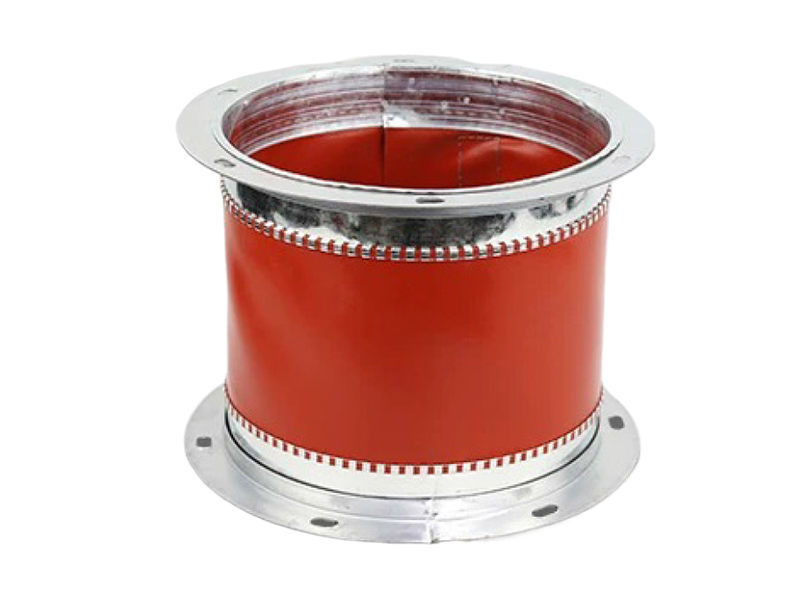
Identify both mating parts
A flexible duct end is only correct when it fits the machine and the adjoining duct. Photograph or draw both mating parts and record diameters, flange faces, bolt patterns, cuff length, clamp position and available access. A nominal diameter does not describe every equipment connection.
Choose for movement and maintenance
A soft cuff, reinforced cuff, clamp band or flange can serve different installation needs. Heat expansion, vibration, regular disconnection and poor access all change the practical end design. Avoid an end treatment that forces the hose wall into a sharp fold or prevents clamp inspection.
Use custom details where they add value
For a custom flexible duct, submit the connection drawing with the working medium, temperature, pressure and installed length. The end design should be evaluated with the duct construction so that the complete assembly is practical to fit, seal and maintain.
Request a quote
Tell us the medium, temperature, pressure, diameter, length and quantity. Our team will respond shortly.
Thank you. Your inquiry has been received.