article
Choosing Insulated Flexible Duct for Hot Air Transfer
Select insulated flexible ducting for hot-air transfer using temperature, surface exposure, space, bend radius and connection details.
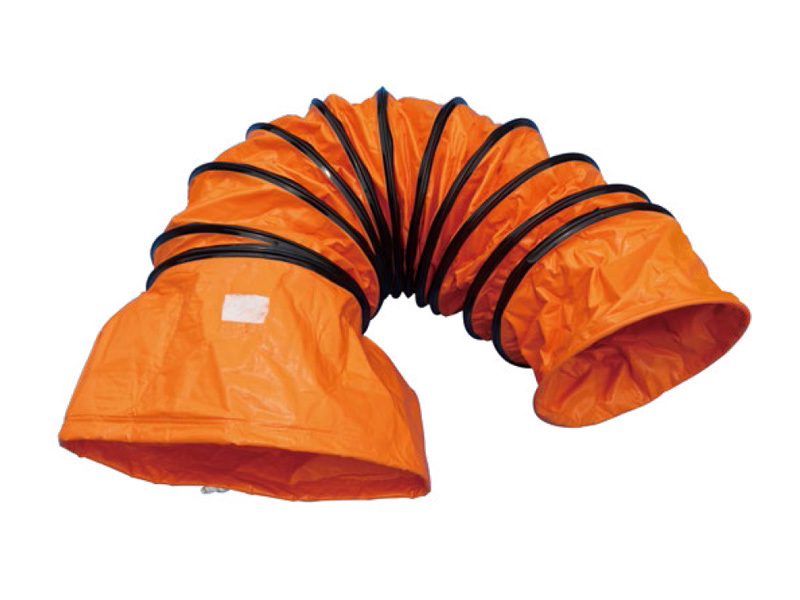
Separate air temperature from surface conditions
A hot-air transfer duct should be selected from the normal process temperature, peak temperature, exposure duration and any external radiant heat. Insulation may limit heat loss and reduce outer-surface exposure, but it does not automatically make every fabric or connection suitable for a hotter duty.
Allow for the larger outside diameter
Insulation changes the outside diameter, weight and bending behaviour of a flexible duct. Check routing clearance, support points, clamp access and the minimum bend radius before specifying insulation thickness. The first bend near a heater or blower often needs the most careful clearance review.
Ask for a configuration, not a generic roll
For an insulated flexible duct quotation, provide medium, continuous and peak temperature, pressure direction, inside diameter, working length, movement, end connection and quantity. This lets the supplier compare an insulated fabric duct, a high-temperature flexible connector or another appropriate construction.
Request a quote
Tell us the medium, temperature, pressure, diameter, length and quantity. Our team will respond shortly.
Thank you. Your inquiry has been received.