article
Negative Pressure Flexible Duct Selection: Avoiding Collapse and Excessive Loss
A practical engineering guide to selecting a flexible suction duct around vacuum level, diameter, reinforcement, bend radius, material and connection details.
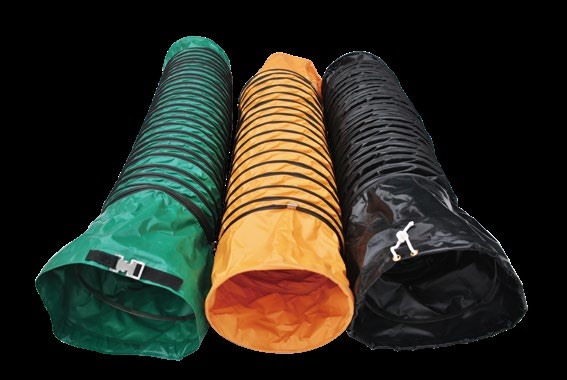
Vacuum duty is different from air supply
A flexible duct that works for positive-pressure air delivery may deform under suction. Negative pressure reduces the effective support from inside the hose, so wall construction, spiral reinforcement, diameter, unsupported span and bend condition all influence collapse resistance.
Use the full system conditions
State the expected vacuum or fan static pressure, airflow, duct diameter, installed length, bends, conveyed medium and temperature. Dust, chips, oil mist and moisture can change the suitable material, while long unsupported sections and sharp bends can increase deformation and pressure loss.
Specify reinforcement and connections
Dense spiral reinforcement and appropriate fabric or hose wall can help a flexible suction duct retain its section. However, the connection to the hood, fan or rigid duct must also be airtight and should not crush the duct wall. Confirm cuff, clamp, flange or bell-mouth details during design.
Validate before a full installation
Use the intended operating conditions to validate a selected construction, particularly for long runs, elevated temperature, abrasive material or variable vacuum. Product catalogue values are selection references, not a substitute for complete system design and site testing.
Related content
Request a quote
Tell us the medium, temperature, pressure, diameter, length and quantity. Our team will respond shortly.
Thank you. Your inquiry has been received.