article
How to Source High Temperature Flexible Duct from China
A practical sourcing checklist for industrial buyers qualifying a China high temperature flexible duct manufacturer and preparing a usable RFQ.
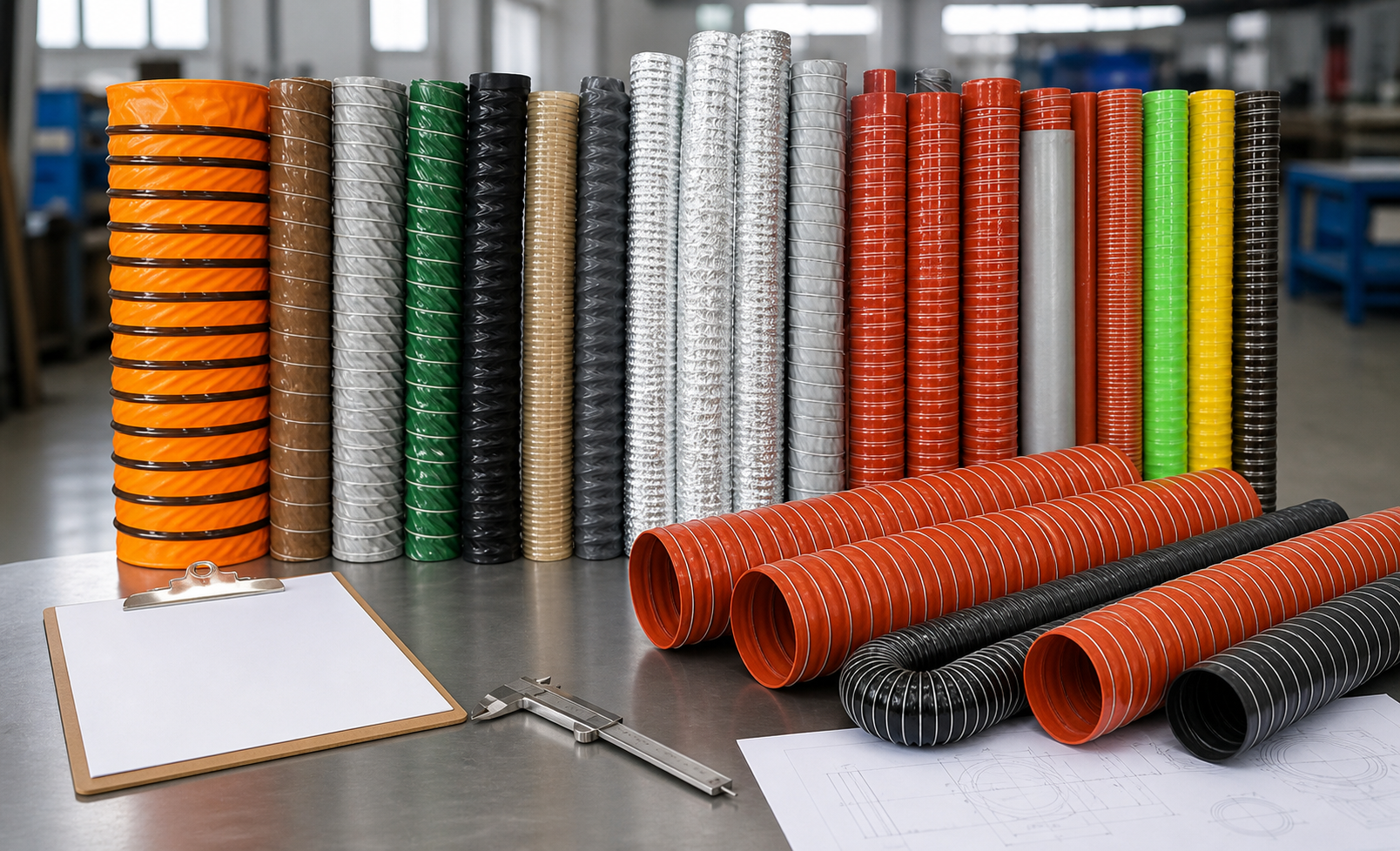
Start with the duty, not a supplier list
Buyers searching for a high temperature flexible duct manufacturer in China often begin by collecting factory names and catalogue prices. That order creates avoidable confusion. First define the equipment, conveyed medium, normal operating temperature, short peak temperature, pressure direction, diameter, installed length, movement, bend clearance and connection style. A supplier cannot compare suitable constructions when the enquiry contains only a photograph and a maximum temperature.
The phrase high temperature flexible duct covers silicone-coated fiberglass hoses, insulated fabric ducts, clip-on telescopic ducts, metal constructions and custom flexible connectors. They do not have the same bending behaviour, insulation, pressure capability or connection method. A useful sourcing process therefore starts with a service-condition sheet that every candidate receives.
Qualify manufacturing capability against your product
A relevant supplier should be able to discuss the construction needed for the stated duty, not simply send the most similar product photograph. Ask which material layers, reinforcement method, seam or clip construction, insulation and end treatments are available. Confirm the normal production diameter and length ranges, which features are standard and which require a drawing, sample or minimum production quantity.
For an OEM or repeat-order program, also ask how drawings, samples and approved specifications are controlled. The purpose is not to demand a large document package from every supplier. It is to learn whether the factory can reproduce the same agreed construction after the first order and explain any material or process change before production.
Prepare an RFQ that can be priced accurately
A high temperature flexible duct RFQ should state application, medium, continuous and peak temperature, peak duration, pressure or vacuum, inside diameter, working length, quantity and destination. Add photographs or drawings of both equipment connections. If the hose moves, bends repeatedly or sits near radiant heat, identify the movement and clearance rather than assuming that a longer hose will solve the route.
Separate mandatory requirements from preferences. Required diameter, temperature duty and flange geometry belong in the controlled specification. Colour, label, carton mark and packing layout may be commercial options. This separation helps a China flexible duct supplier identify technical risks without delaying a quotation over details that can be finalized later.
Compare constructions before comparing unit price
Two quotations are comparable only when they cover the same construction and supply scope. Check material, number of layers, reinforcement, insulation, cuff or flange design, length tolerance, packing quantity and included documentation. Similar-looking ducts may have different wall systems or end treatments, so a lower unit price can reflect a different product rather than a better offer.
Ask the supplier to identify assumptions and open points. If the process temperature, chemical exposure or vacuum is uncertain, record that uncertainty and agree on the validation step. A responsible quotation can include conditions that must be confirmed before mass production; it should not convert missing process data into an unsupported performance promise.
Use samples and drawings for fit-critical orders
A sample is valuable when the connection, installed route, movement or handling differs from a standard roll. Approve it against a short checklist: inside diameter, working length, end geometry, clamp access, bend clearance, visible construction and packaging. Photographs alone cannot confirm fit at the actual machine.
Keep the approved drawing, sample photographs, measurement record and agreed material description together. For repeat orders, reference the approved version rather than sending a new informal message. This is especially important for custom high temperature ducting supplied to equipment builders or distributors under their own part numbers.
Review export packing and landed practicality
Flexible ducting can occupy significant shipping volume relative to unit value. Before order confirmation, request the packing form, carton dimensions, gross weight and estimated quantity per carton for the actual diameter and length. A compressed telescopic hose, insulated duct and flanged connector require different space and protection.
For small trial orders, freight may dominate the landed cost. Buyers should compare sample, consolidated shipment and production-order options instead of evaluating factory price alone. For distributor programs, plan a useful diameter and product mix rather than filling shipment volume with slow-moving items.
Supplier qualification questions for industrial buyers
Ask who reviews technical enquiries, which dimensions and construction points are checked during production, how non-standard drawings are approved, what product data can be supplied and how packing is verified. When a project requires a test report or market-specific declaration, request the document for the exact construction before representing the product as compliant.
A factory visit or third-party inspection may be appropriate for a large or critical order, but it should follow a defined inspection scope. Visiting a building does not replace verifying the ordered material, dimensions, end connections, quantity and packing.
Send Jouduct a complete sourcing enquiry
For a technical review, send Jouduct the equipment or application, medium, normal and peak temperature, pressure direction, inside diameter, working length, end connections, movement, quantity and destination. Drawings and connection photographs help distinguish a standard silicone duct, insulated clip-on duct, higher-temperature telescopic construction or custom connector.
The objective is a quotation tied to a defined duty and construction. Final equipment suitability, system performance and any required certification should be confirmed for the actual project before the product is released for installation.
Related content
 PRODUCT
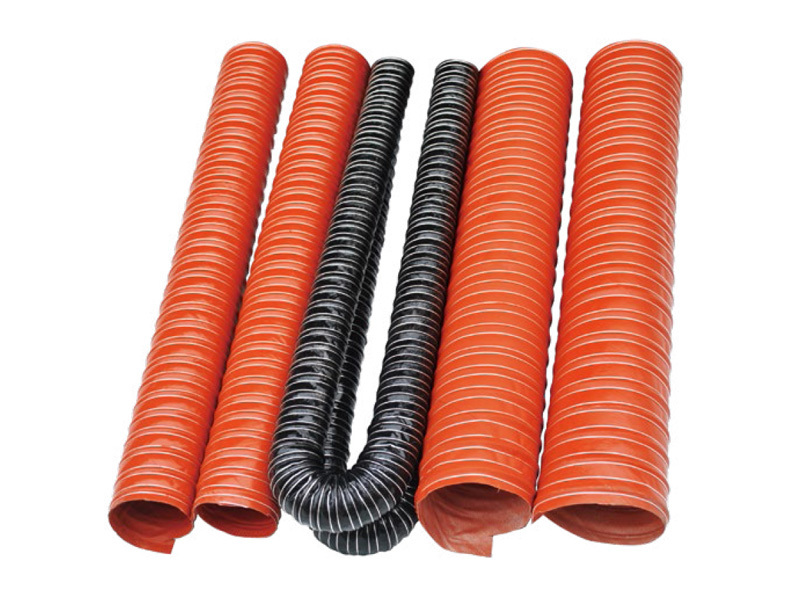
Silicone High Temperature Air Duct
Double-wall silicone fiberglass ducting with a smooth inner wall for hot air, engine heating and high-temperature process exhaust.
↗ PRODUCT
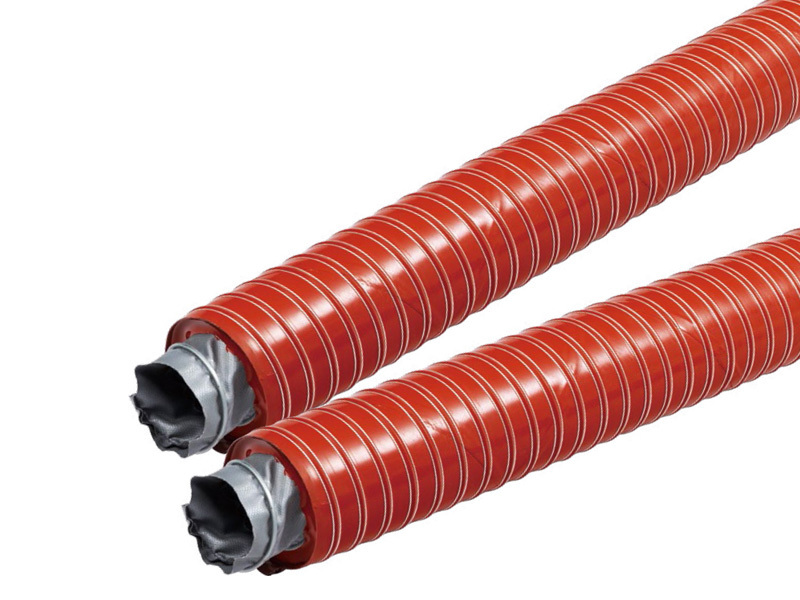
450°C Clip-Type Thickened Insulated Duct
Thick insulated connection using a metal-clipped high-temperature inner duct for demanding exhaust and heat-transfer systems.
↗ PAGE
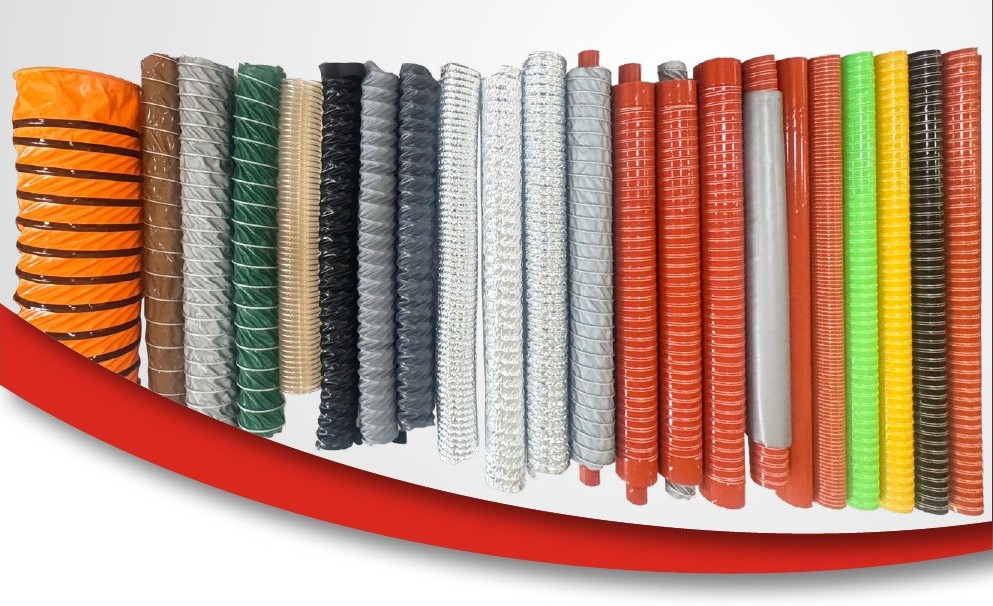
PAGEIndustrial Flexible Duct Manufacturer in China
Jouduct supplies custom industrial flexible ducting for equipment manufacturers, distributors and project buyers who need a defined temperature, pressure, diameter and connection configuration.
↗Request a quote
Tell us the medium, temperature, pressure, diameter, length and quantity. Our team will respond shortly.
Thank you. Your inquiry has been received.