article
Private-Label Flexible Duct Supply for Distributors
Plan private-label industrial flexible duct supply with controlled product data, labels, packaging, SKU selection and repeat-order references.

Private label starts with a controlled product
A private-label flexible duct program should not begin with artwork. First define the product construction, intended applications, diameter and length range, end options, packing form and verified technical data. A label cannot correct inconsistent specifications or unsupported performance language.
Distributors should separate standard stock products from project-specific custom ducting. Standard SKUs need repeatable data and packing, while custom orders may require drawings, samples and different lead times. Clear separation prevents sales teams from promising every possible combination as an off-the-shelf item.
Select a commercially useful SKU range
Build the initial range around real local demand: equipment connections, common fan sizes, temperature duties and customer industries. A very broad catalogue creates slow-moving inventory and weak product knowledge. A focused selection of silicone high temperature duct, portable ventilation duct or other relevant families is easier to support.
For each SKU, define inside diameter, standard length, material construction, colour if controlled, end configuration, packing quantity and internal part number. Identify which fields may be customized and the commercial conditions for doing so.
Write accurate labels and product data
Product labels and data sheets should use verified descriptions for the exact construction. Avoid copying a maximum temperature, flame statement, anti-static claim or certification from another hose. If performance depends on an operating condition, present the condition clearly and keep any required document with the approved SKU record.
Useful B2B data includes product name, construction, diameter, length, intended duty, connection options, packing and enquiry fields. A distributor page should also state what the buyer must provide for selection, such as medium, temperature, pressure direction and quantity.
Control artwork without exposing contact errors
Approve label size, material, placement, product code, barcode ownership, carton mark and language before production. The distributor should supply final legal and market text; the manufacturer should verify that the approved artwork is applied to the correct SKU and packing level.
Use an artwork revision number and a visual approval file. If contact details or regulatory wording change, update the controlled file rather than editing labels through informal messages. Keep Jouduct branding off a private-label product only when this is explicitly agreed in the supply specification.
Plan packaging around the actual product
Compressed portable duct, silicone hose, insulated duct and flanged connectors need different packaging. Confirm whether each unit is bagged, tied, boxed or protected at the ends. Record carton quantity, carton dimensions, gross weight and any pallet or shipping mark requirement.
Good packaging protects the product and makes receiving easier, but unnecessary individual boxes can increase volume and landed cost. Compare the needs of e-commerce fulfilment, industrial distribution and full-carton sales before choosing the final pack.
Approve samples and repeat-order references
The first private-label sample should be checked for product construction, dimensions, end details, label accuracy, carton mark and presentation. Photograph the approved sample and retain the drawing or product specification, artwork revision and packing reference together.
For repeat orders, quote the distributor part number and approved revision. Ask the supplier to identify any material, process, colour or packaging change before production. This control is more valuable than relying on a previous catalogue image.
Common private-label purchasing questions
Is a private-label program available for a small trial order? The practical answer depends on the product, artwork process, packing and quantity. A buyer can often begin by approving the standard product and neutral packing, then add controlled labels after the SKU proves relevant. Ask for separate sample and production conditions rather than assuming one universal MOQ.
Can an existing factory product simply be renamed? A distributor can create its own commercial name, but the underlying construction and verified data must remain accurate. Do not change a product description in a way that creates a higher temperature, safety or compliance claim that the supplied SKU does not support.
Who owns barcode and market wording? The distributor normally controls its brand, barcode allocation, destination-language text and market claims. The supplier should apply the approved revision to the correct item and packing. Responsibilities should be recorded before labels are printed.
What should be checked at receipt? Compare carton marks, SKU, quantity, visible product, dimensions and packing with the approved reference. Record discrepancies by carton and part number. This receiving feedback becomes useful evidence for correcting the next repeat order.
Information for a distributor supply enquiry
Send target market, customer industries, product families, diameter and length mix, annual or trial quantity, label requirements, packing method, destination and required documents. If the product will connect to specific equipment, include the interface and service conditions.
Jouduct can review standard products, custom configurations and private-label requirements as separate parts of the proposal. The final product data and any compliance statement should be approved for each SKU before it is offered to the market.
Related content
 PRODUCT
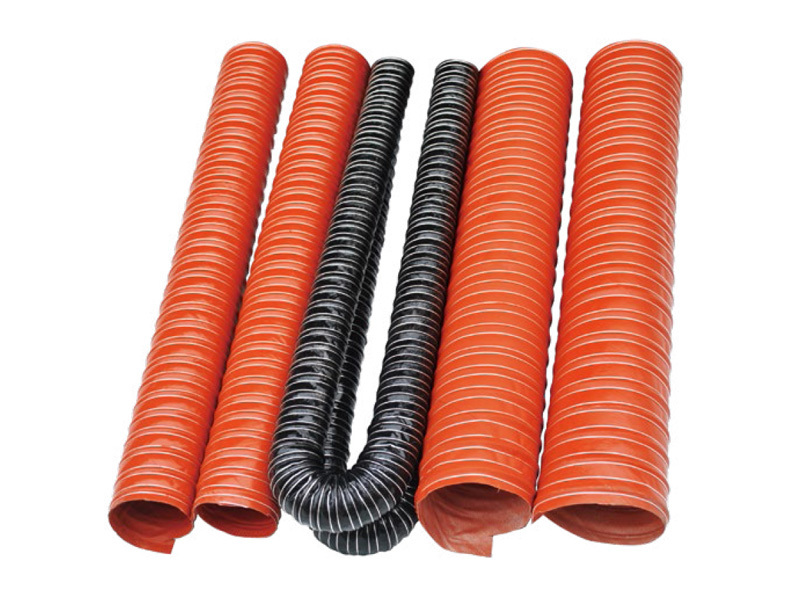
Silicone High Temperature Air Duct
Double-wall silicone fiberglass ducting with a smooth inner wall for hot air, engine heating and high-temperature process exhaust.
↗ PRODUCT
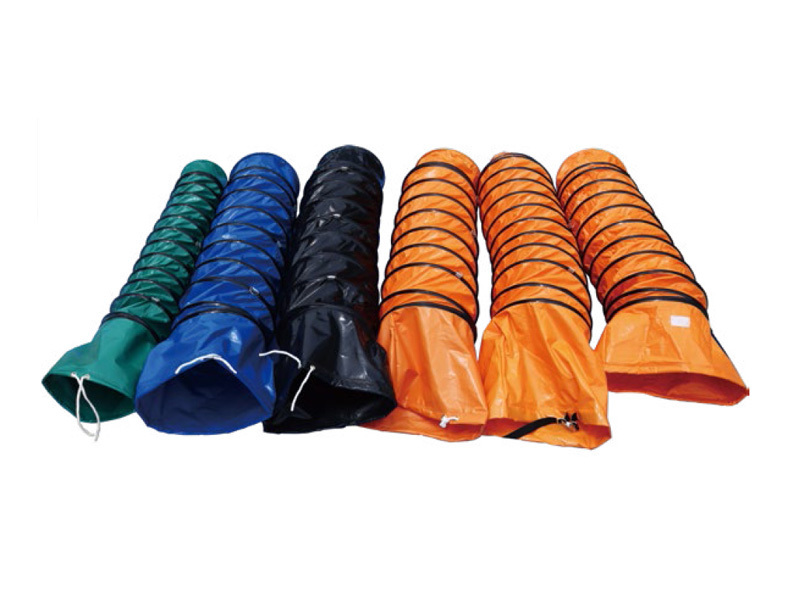
PVC Multi-Purpose Telescopic Hose
Large-diameter PVC mesh duct for portable fans, tunnels, basements, firefighting and temporary ventilation.
↗PAGEFlexible Duct Distributor & Wholesale Supply
Factory-direct flexible duct supply for qualified industrial distributors, importers and repeat-volume buyers planning standard or mixed-SKU orders.
↗Request a quote
Tell us the medium, temperature, pressure, diameter, length and quantity. Our team will respond shortly.
Thank you. Your inquiry has been received.