article
High Temperature Flexible Duct Price Factors
Understand how material, temperature construction, diameter, length, end connections, quantity and packing affect high temperature flexible duct pricing.
Why one online price is rarely meaningful
Industrial buyers often search for a high temperature flexible duct price before the construction is defined. Unlike a standardized retail hose, an industrial hot-air or exhaust duct can change in material, reinforcement, insulation, diameter, length and end connection. A price without these fields may describe a different product from the one required at the machine.
The fastest way to obtain a useful factory quotation is to define the operating duty and separate standard supply from custom work. This lets suppliers price comparable constructions and helps buyers understand which changes affect both unit cost and landed cost.
Material and temperature construction
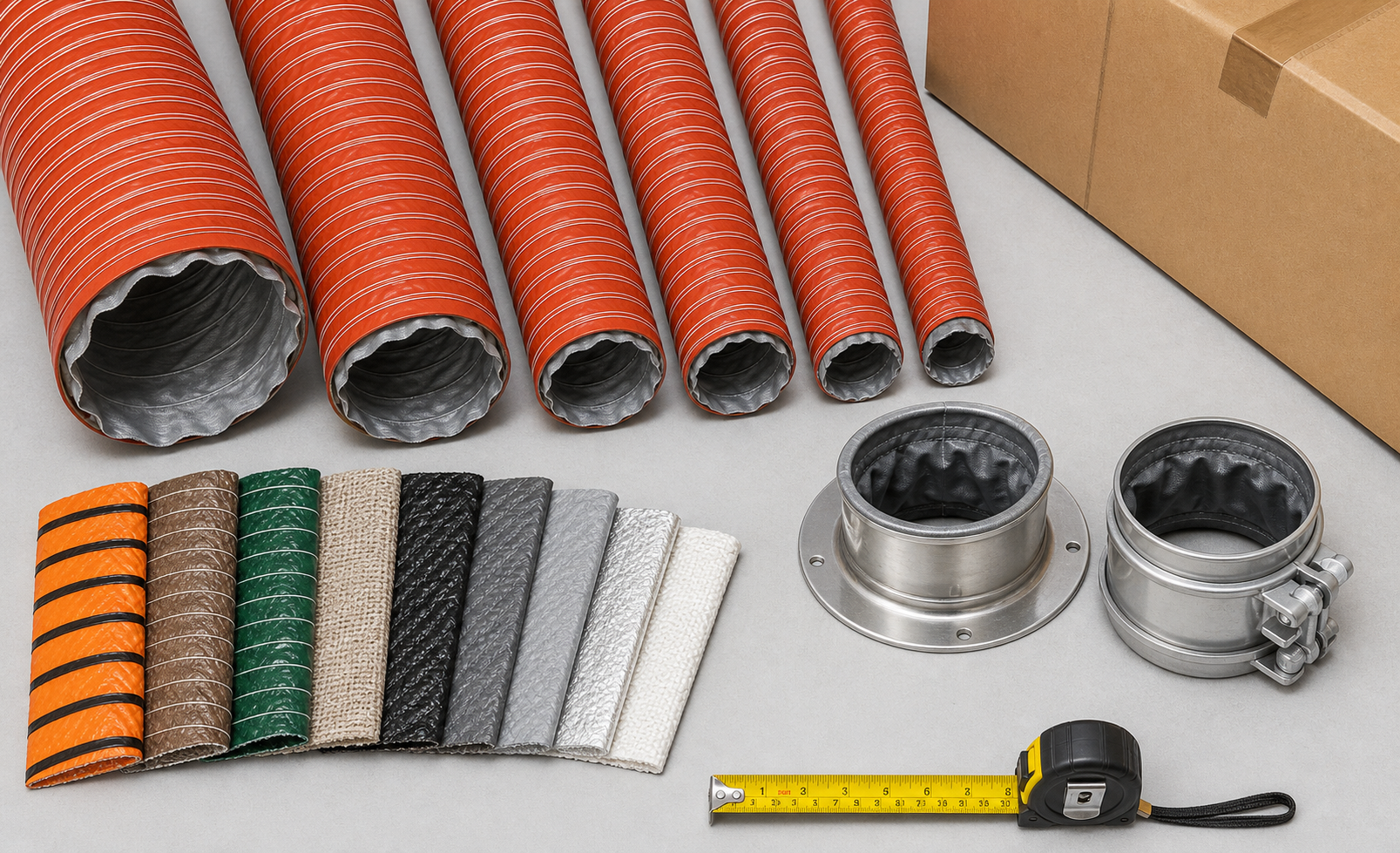
PVC-coated fabric, silicone-coated fiberglass, insulated fabric, polyurethane and higher-temperature clip-on constructions serve different duties and use different manufacturing processes. The selected material system is therefore a primary cost driver. A higher stated temperature should not be purchased as a number alone; it must correspond to the medium, pressure and exposure pattern.
Layer count, coating, insulation, reinforcement spacing, seam or clip method and any protective outer layer also influence material use and production time. Ask the manufacturer to name the quoted construction so later price comparisons do not mix unlike products.
Diameter, length and production efficiency
Larger diameters use more material per metre and can require different handling, reinforcement and packing. Very small or unusual diameters may also need special setup. Standard lengths can be efficient, while custom working lengths may add cutting, end finishing, inspection and identification steps.
For a multi-size order, send the complete quantity by diameter and length. A supplier can then review whether the mix uses standard production ranges, whether samples are needed and whether repeated small batches should be combined.
Cuffs, clamps, reducers and flanges
Plain cut ends, soft cuffs, reinforced cuffs, clamp bands, reducers and flanges do not have the same cost or manufacturing effort. A custom flange may require a controlled drawing, additional hardware, assembly and fit inspection. Heat-resistant end materials may also differ from the hose body.
Provide both mating connection details before asking for a custom flexible duct price. Changing the end design after a sample has been built can affect material, working length and packing as well as the connection cost itself.
Order quantity, sampling and quality control
A prototype or small trial order carries setup, communication and inspection work across fewer units. A production order may spread these activities more efficiently, but a low unit price is not a reason to skip sample approval for a fit-critical product. Buyers should compare total project risk, not only the lowest quantity break.
For repeat business, an approved drawing, construction description, inspection points and packing reference reduce ambiguity. Private labels, individual packaging, special carton marks or additional inspection records should be included in the RFQ because they add real production scope.
Packing volume and freight can change the decision
Flexible ducting can be bulky. Telescopic compression, insulation, flanges and protection requirements affect carton size and loading efficiency. Request carton dimensions, quantity per carton and gross weight for the exact product mix instead of estimating freight from a different diameter or construction.
For international purchases, compare landed practicality by destination and order size. A small urgent shipment may have freight higher than the product value, while a planned distributor or OEM order can use consolidation and a better SKU mix. Freight, duties and local charges should be evaluated separately from factory unit price.
Common questions about factory and wholesale pricing
Why can two factories quote very different prices for apparently similar red hoses? Colour and spiral shape do not define the construction. Material grade, coating, layer count, reinforcement, wall weight, cuff design, tolerance, packing and inspection scope may differ. Request a written construction description before treating the price difference as a saving.
Can standardization reduce cost? It often improves production and purchasing efficiency when the same verified diameter, length, end design and packing can serve several machines or customers. Standardization should follow application review; forcing unlike duties into one product can create a larger technical and warranty cost later.
Does wholesale always mean the lowest landed price? Not necessarily. A large quantity of the wrong size mix, excessive packaging or poorly compressed goods can increase inventory and freight. Plan the SKU mix, carton data and destination route before choosing a quantity only to reach a price tier.
How to request a comparable quotation
Send application, medium, continuous and peak temperature, pressure direction, diameter, working length, end connections, quantity, destination, requested packing and required documentation. Ask each supplier to identify exclusions and technical assumptions. This creates a comparison based on supply scope rather than a headline price.
Jouduct quotations can be prepared around standard or custom flexible duct configurations after these inputs are reviewed. No single price applies to every high temperature air duct, so the quotation should remain tied to the stated construction and order conditions.
Related content
 PRODUCT
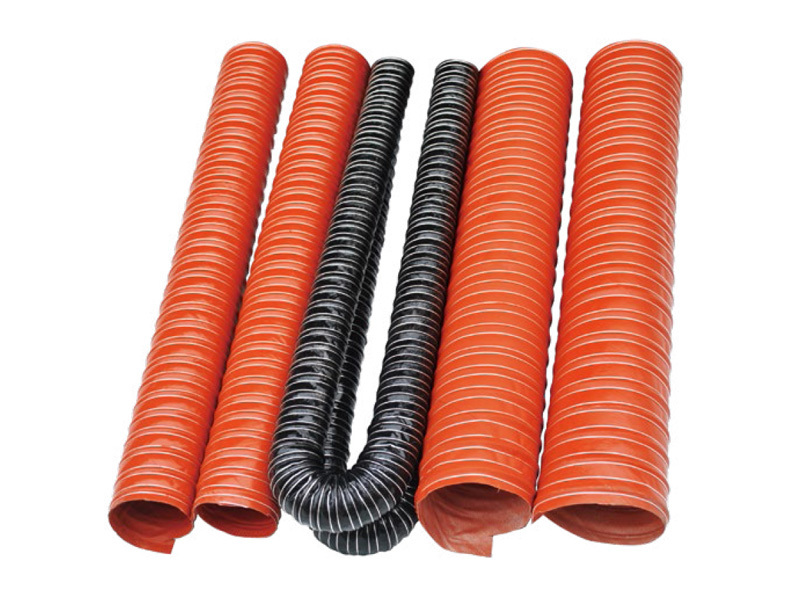
Silicone High Temperature Air Duct
Double-wall silicone fiberglass ducting with a smooth inner wall for hot air, engine heating and high-temperature process exhaust.
↗ PRODUCT
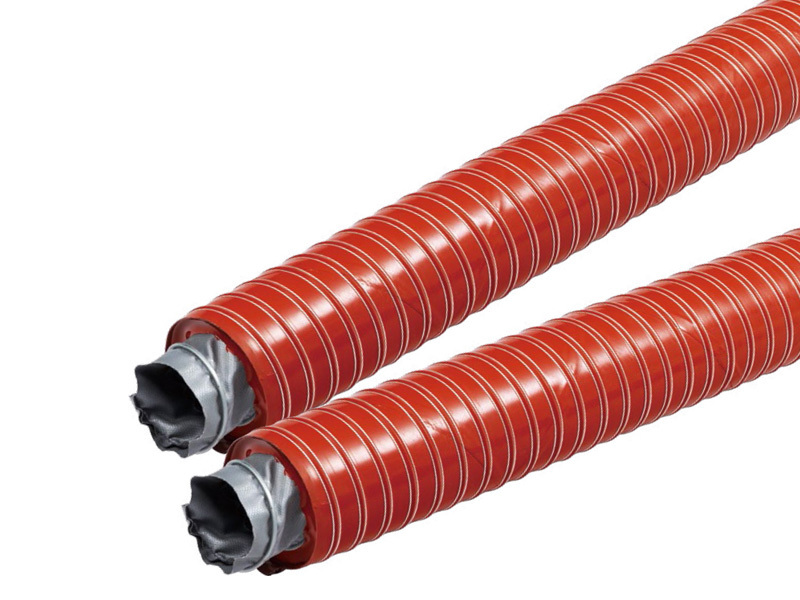
450°C Clip-Type Thickened Insulated Duct
Thick insulated connection using a metal-clipped high-temperature inner duct for demanding exhaust and heat-transfer systems.
↗ PAGE
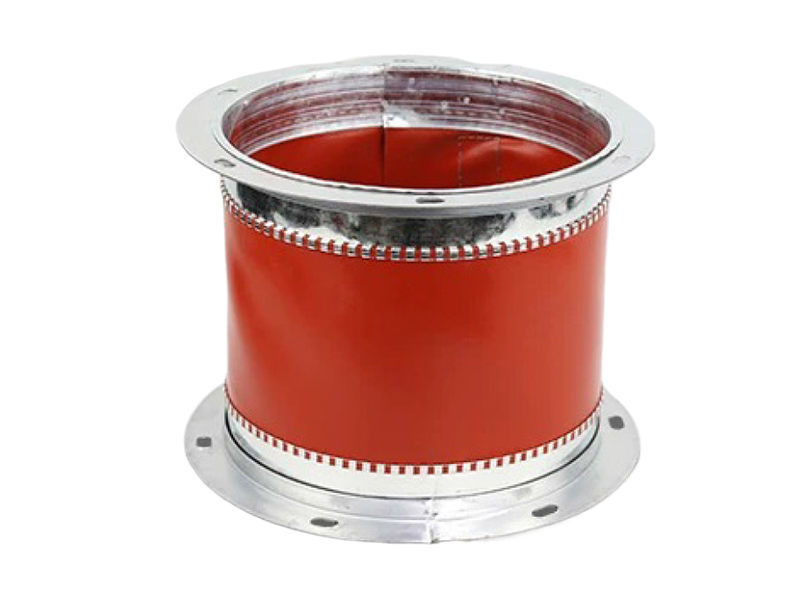
PAGECustom Flexible Ducting
Customise diameter, length, material, reinforcement, insulation, cuffs and flanges around the actual installation.
↗Request a quote
Tell us the medium, temperature, pressure, diameter, length and quantity. Our team will respond shortly.
Thank you. Your inquiry has been received.