article
Flexible Duct for Woodworking Dust Collection: Selection Checklist
Choose flexible dust-collection ducting for woodworking machinery by material flow, vacuum, abrasion, bend radius and grounding requirements.
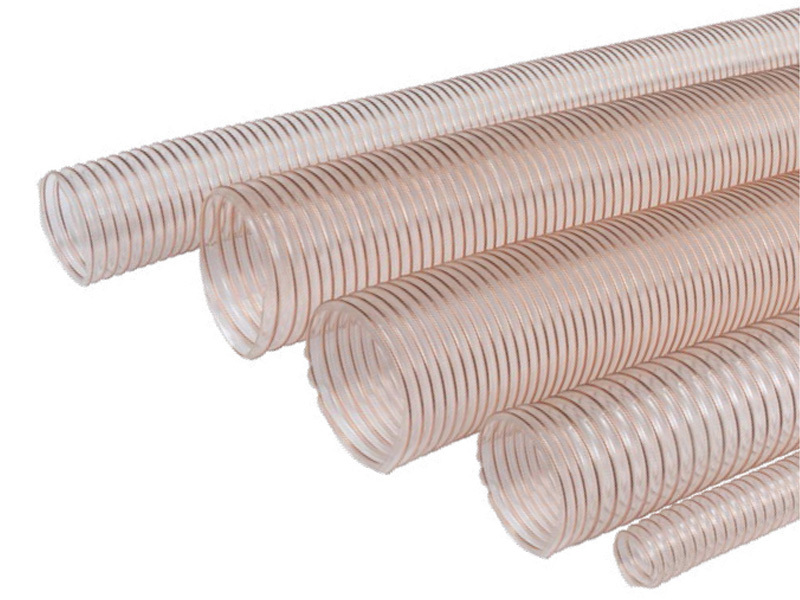
Match the hose to the dust stream
Woodworking dust collection can include fine dust, chips and shavings at different velocities. Specify the machinery, hood connection, particle type, vacuum, airflow, diameter, length and temperature. This helps distinguish a light temporary duct from an abrasion-conscious suction hose for a fixed extraction route.
Avoid common installation losses
Sharp bends, long compressed sections, leaks and poor support reduce extraction efficiency and can increase hose wear. Use the largest practical bend radius, make joints accessible and keep the flexible section as short as practical when rigid duct can carry the main run.
Handle static requirements as a system
Wood dust and other dry material can raise static-control questions. Discuss grounding, process safety and any applicable requirement with the responsible system designer. Product construction should be confirmed against the intended use rather than described with broad, unsupported safety claims.
Request a quote
Tell us the medium, temperature, pressure, diameter, length and quantity. Our team will respond shortly.
Thank you. Your inquiry has been received.